News
NPL Season 3 Review: Lumbini Ready to Build Home Ground, Calls for Grassroots Spending
November 25, 2026
Three seasons of the Nepal Premier League have produced three different champions, a first title for Sudurpaschim Royals, and a league that now dominates Nepali sport. The harder question, raised by two senior voices in Nepali cricket on Wednesday, is what the NPL does next—and where its money goes.
In a season review published by Ratopati on 25 November 2026, former national captain Binod Das praised the organization of the third season but said the pitch at Tribhuvan University International Cricket Ground in Kirtipur still favored the bowlers too much and that expanding spectator capacity should be the first priority. In a separate conversation with the same outlet, former Cricket Association of Nepal (CAN) president Binayraj Pandey went further: the NPL's earnings, he said, must be spent on building the foundations of Nepali cricket, not simply banked.
Three seasons, three champions
The review puts Season 3 in its three-year context. All three seasons have featured eight teams and 32 matches, all of them at the TU ground in Kirtipur. Janakpur Bolts won the first title in 2024, chasing 185 in 19.2 overs against Sudurpaschim Royals; Lumbini Lions won the second in 2025, bowling Sudurpaschim out for 85 and chasing the target inside nine overs; and Sudurpaschim finally lifted the trophy in 2026, chasing 156 without losing a wicket in the final after George Munsey's unbeaten 125 off 54 balls. Sudurpaschim has now reached all three finals.
The individual numbers underline how competitive the league has become. Lahiru Milantha led the run charts in Season 1 with 293 runs, Adam Rossington made 323 in Season 2, and Yuvraj Samra topped Season 3 with 294 runs to win the Platinum Cap. On the bowling side, Lalit Rajbanshi took 17 wickets in Season 1, Sandeep Lamichhane and Sher Malla and Avinash Bohara shared 17 each in Season 2, and Rijan Dhakal took 17 in Season 3 to win the Golden Cap.
Season 3 also produced the breakout Nepali names the league exists to find. Lokesh Bam made 242 runs, the most by a Nepali batter; 16-year-old Rahul Yadav took 12 wickets for Janakpur Bolts; and captain Dipendra Singh Airee scored 217 runs and took seven wickets to be named Player of the Tournament. The full story of the final—Sudurpaschim's 10-wicket win over Lumbini Lions—is covered in our match report.
Das: the pitch favored bowlers, and seats must grow.
Das's main technical criticism was the Kirtipur pitch. In his assessment, it gave the bowlers—spin in particular—more help than the batters, even though fast bowlers also took wickets, so it was not a one-sided spinner's surface. "The batters faced a real challenge," he told Ratopati. "It is enjoyable to see a contest of skills rather than only the batters dominating, but the pitch was a little too much in the bowlers' favor. Improving it a little to make it balanced between bat and ball would be even better."
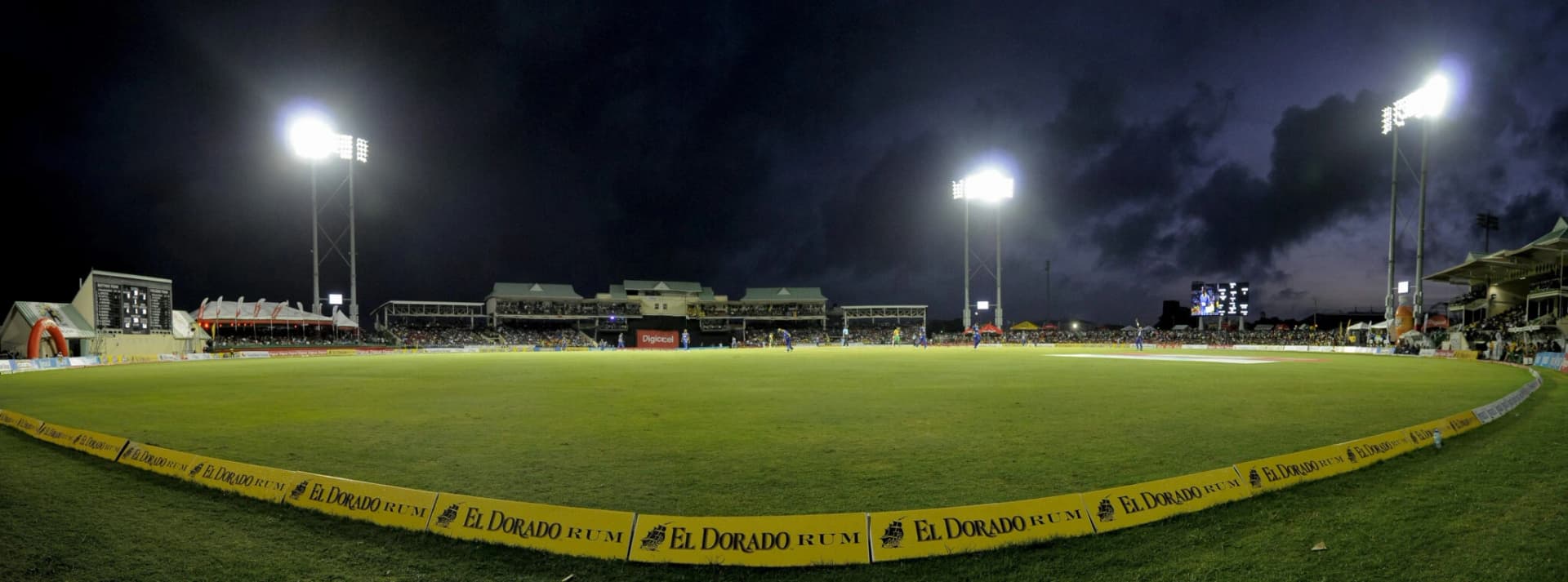
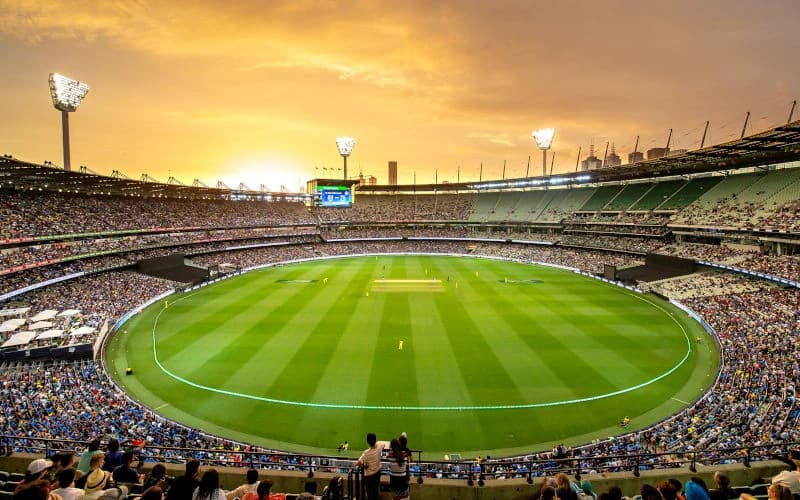
He was equally direct about the ground itself. With crowds growing every season, expanding seating capacity is, in his words, the first requirement, and managing the uncontrolled crowds needs more work. All three seasons have been played at the same ground, which makes management easier but leaves the league exposed to exactly the capacity and infrastructure pressure seen in the final, when demand for tickets overwhelmed the system.
Lumbini say they can build a 10,000-seat home ground.
The most concrete new claim in the review comes from Lumbini Lions chairman and owner Ishwar GC. He said his franchise wants home-and-away cricket from Season 4 and is ready to build the infrastructure for it at the club's own Extratech Oval ground—if CAN decides in time.
"We are in favor of going to the home-and-away concept from the coming fourth season," GC said. "Lumbini has its own Extratech Oval ground. If CAN decides in time, we are capable of building infrastructure there that can hold 8,000 to 10,000 spectators."
That matters because the home-and-away question is now the central argument in Nepali cricket. Sports Minister Sasmit Pokharel has proposed a phased start from Season 4, with two or three grounds first and all eight clubs playing at home by Seasons 5 and 6—a faster timetable than Prime Minister Balendra Shah's original plan for home-and-away from Season 6. GC's offer is the first time a franchise has publicly put a number and a ground to its readiness.
Das, though, sounded a note of caution. A home-and-away league needs more than available grounds: live broadcast, security, technical management, and the other structures that run a match all have to travel too. Moving to several venues would create new technical jobs and local employment, he said, but there is already a shortage of trained people running matches at a single venue.
GC was also frank about the money. Finding sponsors was very difficult in Season 1, improved in Season 2, and drew markedly more interest by Season 3—but the franchises have still not reached break-even. He expects them to get there within one to two years and said what the clubs need from the government is policy facilitation rather than direct grants: smoother processes for paying overseas players, a bigger advertising market, and easier infrastructure approvals.
Pandey: Spend the earnings on the game's foundations.
Binayraj Pandey, who led CAN before the current administration, welcomed the NPL's popularity and thanked the board for staging it, but his message was blunt: organizing the NPL and developing Nepali cricket are not the same thing. The real test of the league, he said, is how much of what it earns reaches the base of the game.
His proposals were specific. He suggested raising what Nepali players receive from NPR 30 lakh to NPR 50 lakh as league income grows, so the players who make the tournament possible share directly in its success. He argued Nepal needs many playable cricket grounds before it needs 50,000–60,000-seat stadiums in all seven provinces, pointing out that Nepal still depends on the TU ground in Kirtipur for international matches, that Mulpani's construction has not progressed as expected, and that grounds in Bhairahawa, Pokhara, Narayani, Kohalpur and Lamahi have been attempted but are still not regularly usable.
"Parapets for spectators to sit on, lights, and other facilities in a stadium are good," he said. "But the first need of cricket development is a ground to play on. Only after players get to play will spectators come."
Pandey also called for financial transparency—audit reports submitted on time, income and expenditure made public, and a clear justification for every expense—arguing the responsibility is greater now that the NPL brings in substantial income. And he wants a plan: every cricket-playing nation should have a five-year development roadmap, he said, recalling that he drew one up in 2005 and sent it to the ICC, with no continuity since. With the NPL's popularity and international recognition, he said, Nepal should not delay setting out where it wants to be in five years—including the long-term goal of Test status, which he said depends not only on performances but also on player numbers, coaches, umpires, grounds, domestic competitions, and the whole structure of the game.
The grassroots test
Both men converge on the same point: the NPL's success should be measured by what it leaves behind. Das said the income must reach district, provincial, and grassroots cricket, with competitions running through the year so players can treat cricket as a safe career. "The NPL is a good beginning," he said. "Its real benefit is seen only when our domestic cricket keeps getting stronger. The income from here must be invested in the foundations of domestic cricket to raise its standard."
Economist Dr. Resham Thapa, quoted in the same review, added the economic case: big sporting events lift immediate consumption and long-term publicity, with hotels, restaurants, transport, ticket sales, and advertising all moving—and foreign players carry Nepal's scenery, society, and hospitality to audiences around the world, which should attract higher-spending tourists in the coming months and the next tourist season. But he said the benefit must spread beyond the Kathmandu Valley to the other cities, which is exactly what home-and-away would do, and that franchises should work with schools, colleges, local government, and sports bodies to develop junior and women's cricket—naming Rahul Yadav, Ranjit Kumar, Unish Singh Thakuri, Arjun Kumal, and Rijan Dhakal as players the NPL itself has given a national identity.
Whether Season 4 does start at two or three home grounds—and whether the money follows the players to the districts—will be decided in the coming months. For now, the post-season verdict from inside the game is clear: the NPL has proved it can fill a stadium and produce stars. The next test is whether it can build the grounds, the players, and the structure underneath the

NPL T20 Team
Written by the NPL T20 Team — cricket writers and editors covering the Nepal Premier League 2026. We share match reports, player profiles, points table updates, venue guides, and fantasy tips, verified through official and local sources.